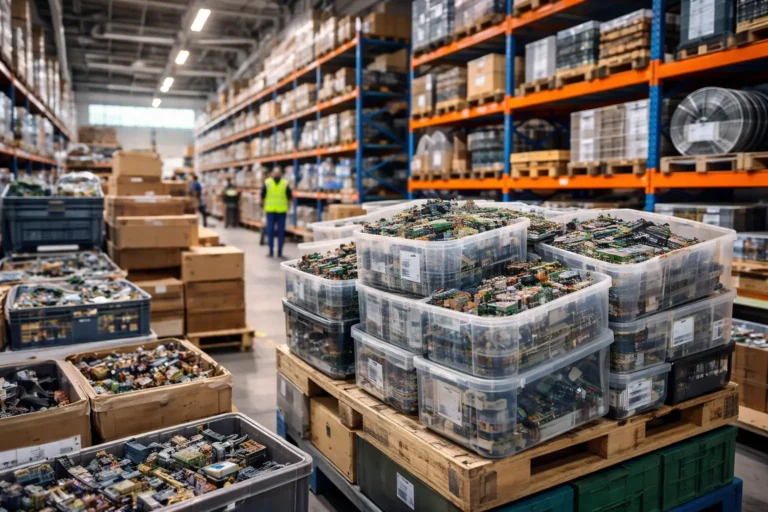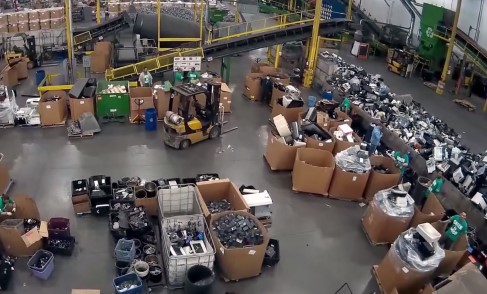
While the direct financial implications of excess inventory are often the focus of supply chain discussions, the indirect costs are equally critical, yet frequently overlooked. Holding surplus electronic components ties up valuable resources that impact your organization’s workforce efficiency, physical space utilization, and operational time management. Understanding these hidden costs can help companies make smarter decisions and leverage solutions like those from NetSight to optimize supply chain workforce, space, and time.
Human, Space, and Time Costs
More than delayed processes, decision-making becomes more complex when excess stock skews demand forecasting and procurement planning. Teams may hesitate to reorder parts or launch new product introductions because they are tangled with leftover inventory.
Human Costs: Lost Focus and Heavy Workload
Excess inventory creates significant strain on personnel. Managing surplus stock requires constant attention—counting, storing, cataloging, and handling disposition tasks. This added workload often pulls employees away from higher-value activities like innovation, supplier management, and customer service.
Moreover, the mental burden of dealing with aging or obsolete inventory can affect employee morale and productivity. It fosters inefficiencies as teams struggle to keep track of where items are, whether parts are usable, and how to sell or dispose of them effectively.
Time Costs: Low Operational Efficiency
Processes around inspecting, repackaging, relocating, and selling surplus parts consume valuable hours. Delays caused by operational inventory mismanagement slow production lines and disrupt supply chain schedules.
Space Costs: Real Estate Is Not Cheap
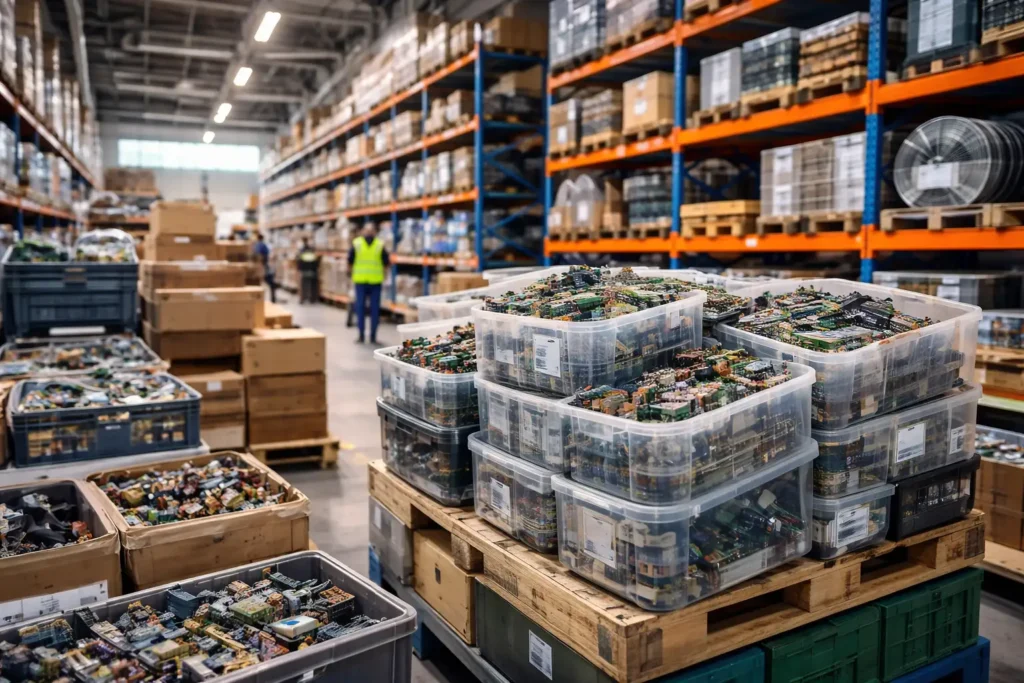
Every square foot of warehouse or storage space dedicated to excess inventory is space that could otherwise support active production or more profitable stock. Storage costs include rent, utilities, security, insurance, and maintenance.
Overcrowded warehouses also complicate logistics and inventory retrieval, leading to longer cycle times and increased chances of errors, misplaced components, or damage. These hidden inefficiencies can escalate operating costs beyond initial estimates.
How to Address Your Indirect Costs
- Invest in Inventory Visibility: Real-time tracking and analytics minimize surprises and enable proactive surplus management.
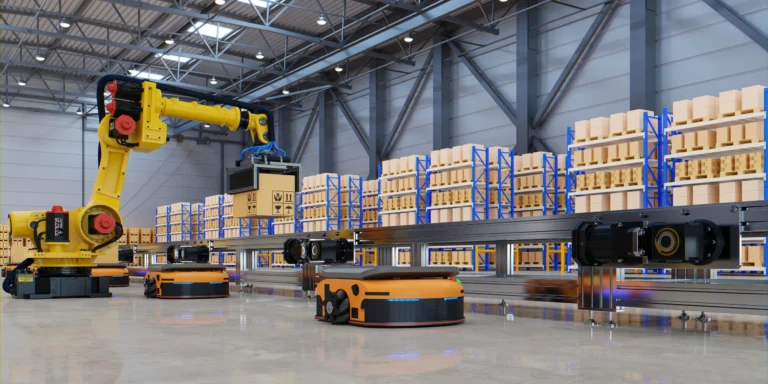
- Streamline Workflow Automation: Automate routine inventory processes to free staff for strategic work.
- Optimize Storage Layout: Improve warehouse flow for faster access and reduced congestion.
- Engage Cross-Functional Teams: Break down silos for better communication and faster decision-making.
- Build a Surplus Prevention Culture: Tie KPIs to turnover rates, space utilization, or carrying costs.
How NetSight Helps with Indirect Inventory Costs
- Advanced Data Analytics: AI refines demand predictions to reduce future overstock risks.
- Outsourced Inventory Management: Allowing staff to focus on core business functions.
- Strategic Warehousing Solutions: Using global hubs in China, Hong Kong, and the US to optimize space and logistics.
- Recommerce Networks: Quickly moving surplus stock through trusted secondary markets to release working capital.
3 Key Takeaways
- Excess inventory imposes hidden indirect costs on human resources, physical space, and operational time.
- These costs erode productivity, inflate overhead, and complicate supply chain management.
- Proactive inventory visibility, workflow automation, and optimized storage are essential to reducing these costs.
Conclusion
Beyond the obvious financial hit, surplus inventory quietly drains your workforce’s time, clutters valuable space, and slows operations—hindering your company’s true potential. Recognizing and tackling these indirect costs is essential for a lean, responsive supply chain. With NetSight One’s expertise and technology-driven approach, organizations can offload the burdens of excess inventory and unlock operational efficiency that fuels growth and innovation.
Article Written By: Nexfinity Global Team