What Are the Financial and Operational Risks of Holding Surplus Electronic Components?
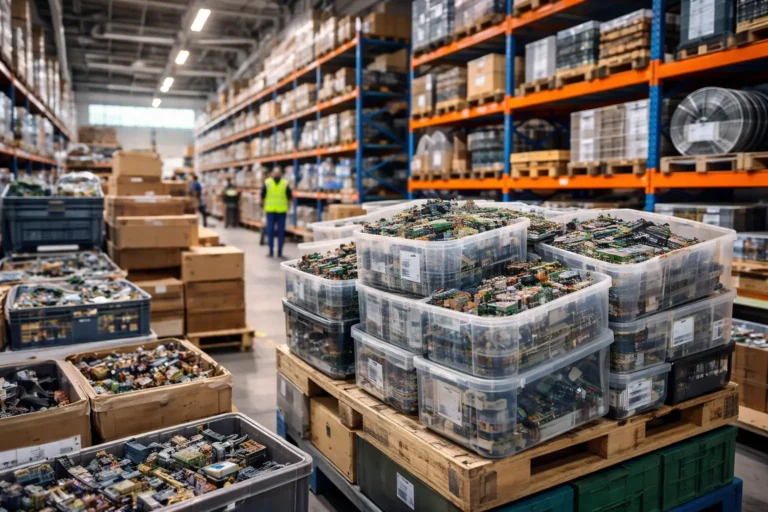
Surplus inventory might seem harmless at first—just a temporary storage issue. But for electronics companies, holding excess components can pose serious financial and operational threats that hurt margins, slow innovation, and reduce strategic flexibility.

Why Is Surplus Inventory a Financial Liability?
Every unused component on your shelf ties up working capital. These aren’t just idle items—they depreciate over time. Changes in design, market saturation, or obsolescence can render them worthless. And the illusion of asset value on paper can hide real financial strain, reducing available funds for innovation, product development, and growth.
How Does Excess Inventory Increase Warehousing and Labor Costs?
Holding surplus stock creates operational inefficiencies. You’re not just storing components—you’re paying for space, utilities, and manpower. Whether it’s expanding your warehouse or outsourcing storage to 3PL providers, the costs add up. Staff time is wasted managing obsolete parts instead of focusing on revenue-generating tasks.
Can Surplus Inventory Impact Production and Supply Chain Agility?
Yes. Surplus inventory clutters both physical and digital systems. It introduces friction in procurement, planning, and engineering workflows. Teams may waste time maintaining data on outdated parts, slowing decision-making on fast-moving product lines. This drag on operations can lead to missed deadlines and lost opportunities.
What Is the Hidden Cost of Lost Agility in Electronics Manufacturing?
Perhaps the biggest danger is losing the ability to respond strategically. Stockpiled components can force you to redesign around outdated inventory or write off the loss—neither is a good choice. In fast-paced industries like telecom, automotive, or computing, these delays can be fatal to competitiveness.
Is Holding Surplus Inventory Worth the Risk?
The short answer? No. From hidden financial drains to decreased responsiveness, surplus inventory undermines your business across the board. It reduces flexibility, eats up resources, and threatens your ability to innovate and scale.
What’s the Best Way to Deal with Surplus Electronic Components?
Act quickly and strategically. NetSight One offers a smarter approach—using predictive analytics, global market matching, and deep supply chain expertise. Turn your inventory from a liability into an asset by optimizing offloading and maximizing value recovery.
Conclusion: How Can You Transform Surplus into Strategic Growth?
Surplus electronic components may look like minor clutter today, but they could be costing you millions tomorrow. The key to staying lean and competitive lies in proactive management. Partner with experts who can turn slow-moving stock into revenue and restore your strategic agility.